Research Catalog
107 compounds · listed alphabetically · every lab result we receive is published

 10 vials
5-Amino-1MQ / MOTS-c / NAD⁺ Blend
5-Amino-1MQ 10mg + MOTS-c 10mg + NAD 100mg × 10 vials
Lab results for 4 of 5 sources
 10 vials
ARA-290 (Cibinetide)
2 sizes available
Lab results for 6 of 13 sources
Bioregulators Kit — 10 Peptides
10 different peptides · 20 mg each · 10 vials
BPC-157 (Oral)
500 mcg × 60 capsules
Lab results for 3 of 4 sources 10 vials
BPC-157 / GHK-Cu / TB-500 / KPV Blend
2 sizes available
Lab results for 13 of 27 sources 10 vials
BPC-157 / GHK-Cu / TB-500 Blend
2 sizes available
Lab results for 12 of 27 sourcesBPC-157 / TB-500 (Oral)
BPC 500mcg + TB500 500mcg × 100 capsules
 10 vials
BPC-157 / TB-500 Blend
5 sizes available
Lab results for 9 of 27 sources


 10 vials
CJC-1295 (no DAC) / Ipamorelin
2 sizes available
Lab results for 10 of 25 sources 10 vials
CJC-1295 (with DAC)
3 sizes available
Lab results for 2 of 11 sources

 10 vials
Epithalon (Epitalon)
3 sizes available
Lab results for 10 of 23 sources
 10 vials
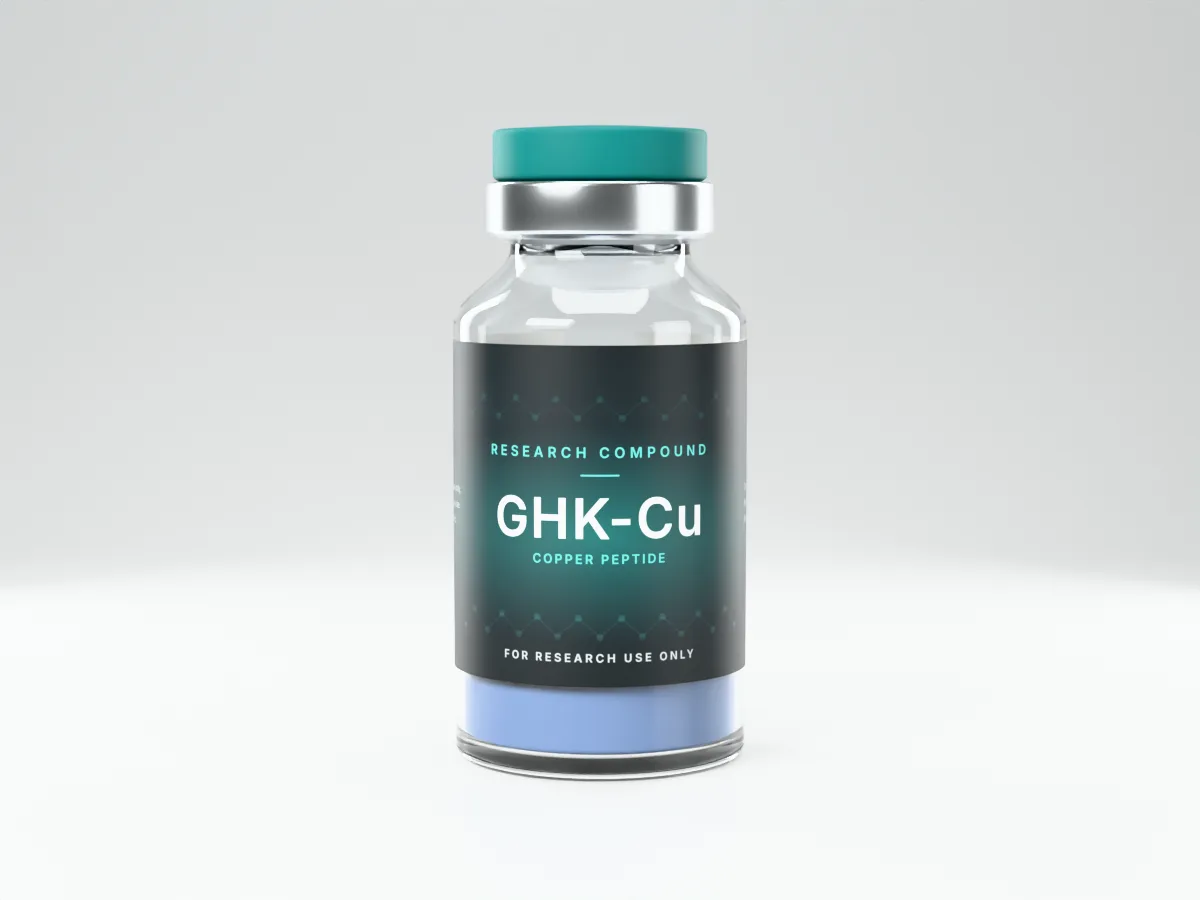
GHK-Cu (Copper Peptide)
2 sizes available
Lab results for 22 of 34 sources
KPV (Oral)
500 mcg × 100 capsules
Lab results for 1 of 3 sources

Methylene Blue
20 mg × 100 tablets
Lab results for 2 of 2 sources
 10 vials
N-Acetyl Epitalon Amidate
20mg × 10 vials
Lab results for 1 of 1 source 10 vials
N-Acetyl Selank Amidate
3 sizes available
Lab results for 6 of 8 sources 10 vials
N-Acetyl Semax Amidate
3 sizes available
Lab results for 7 of 9 sources
 10 vials
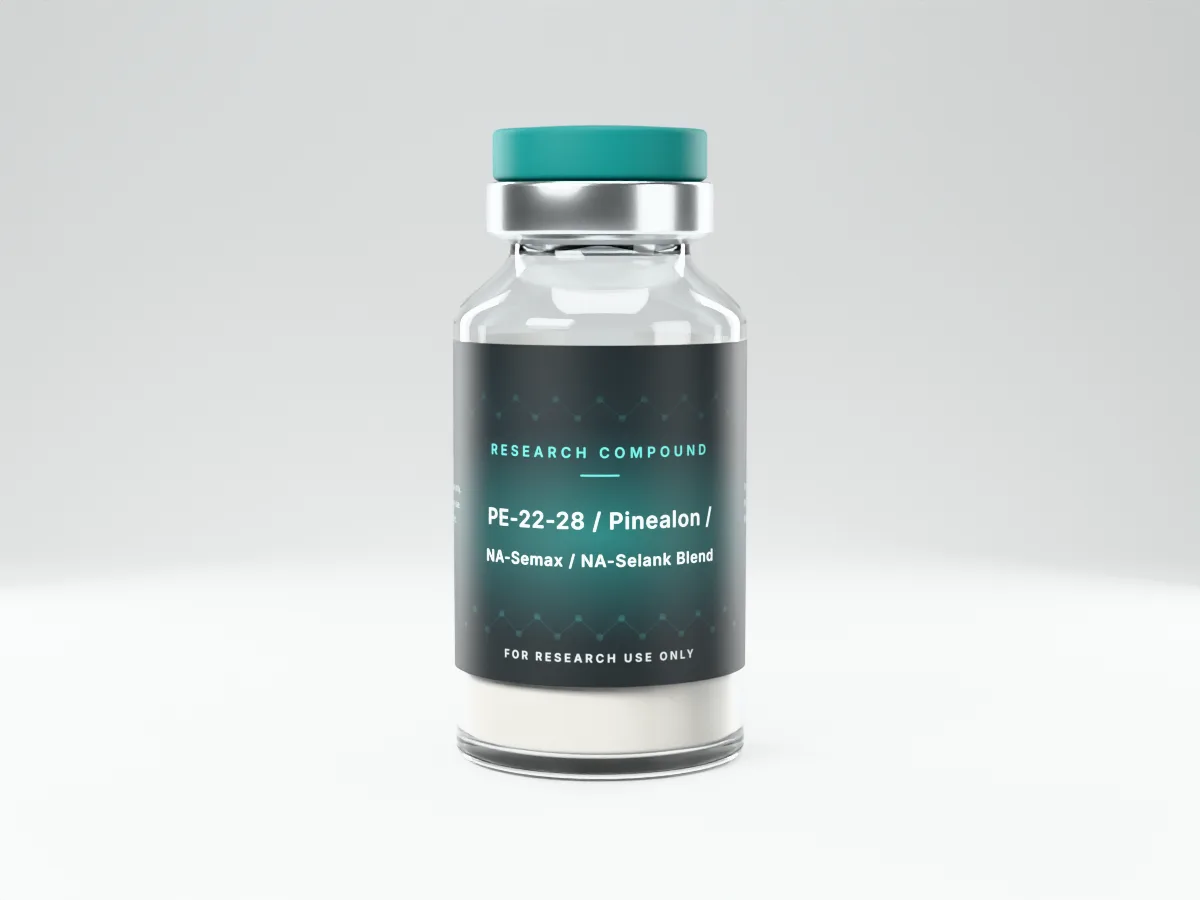
PE-22-28 / Pinealon / NA-Semax / NA-Selank Blend
PE-22-28 10mg + Pinealon 10mg + NA-Semax 20mg + NA-Selank 8mg × 10 vials
Lab results for 2 of 2 sources
Retatrutide + Eloralintide
Retatrutide 10mg + Eloralintide 2.5mg × 10 vials
Retatrutide + Tirzepatide
Retatrutide 10mg + Tirzepatide 20mg × 10 vials

 10 vials
Selank / Semax / DSIP Blend
Selank 10mg + Semax 10mg + DSIP 10mg × 10 vials
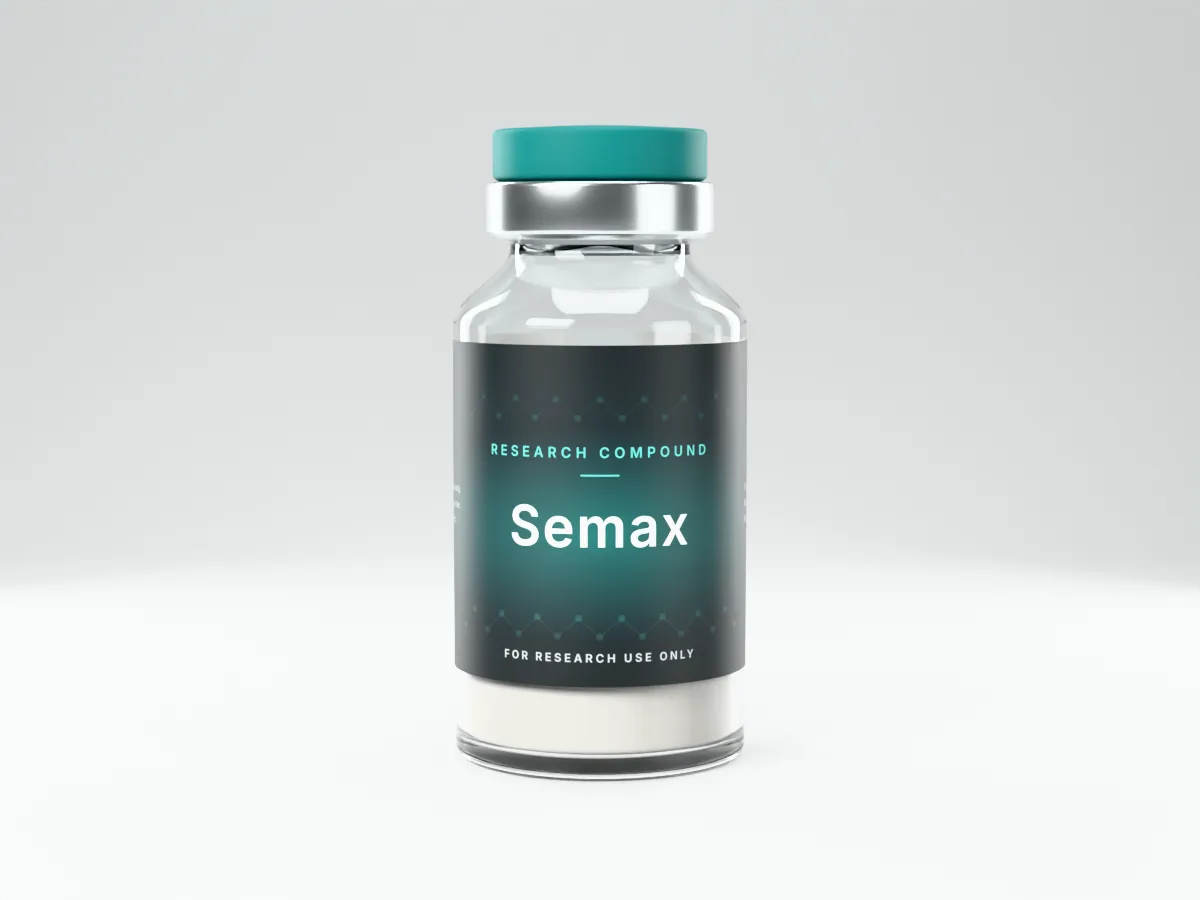
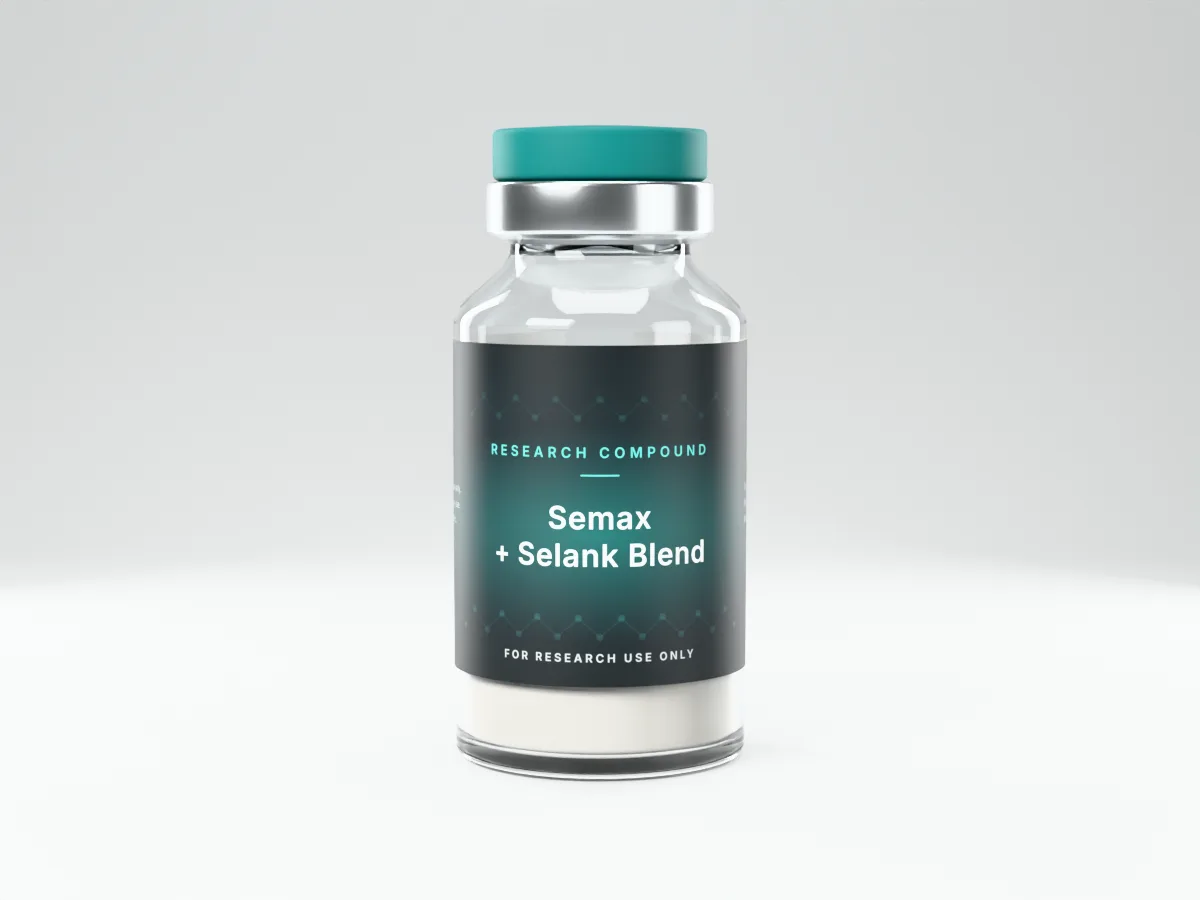 10 vials
Semax + Selank Blend
2 sizes available
Lab results for 5 of 8 sources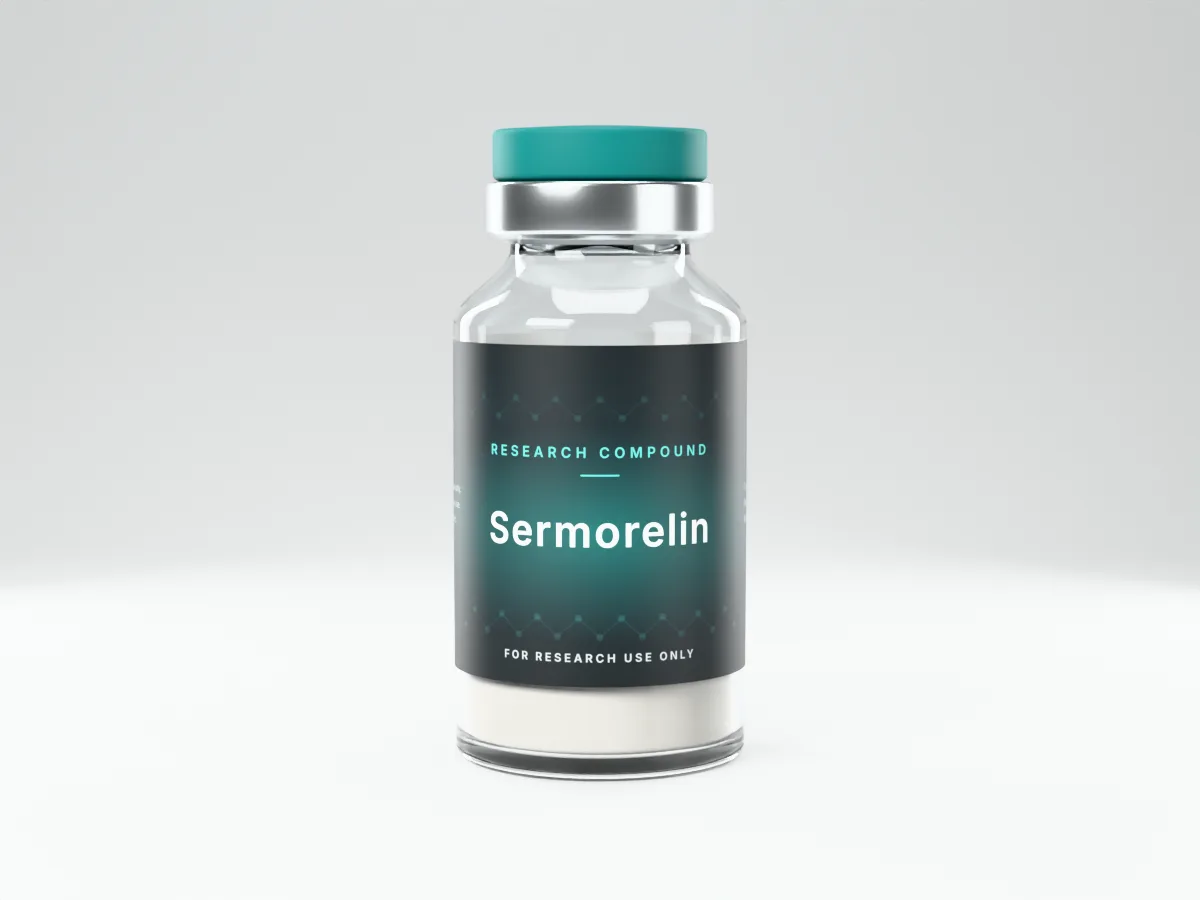

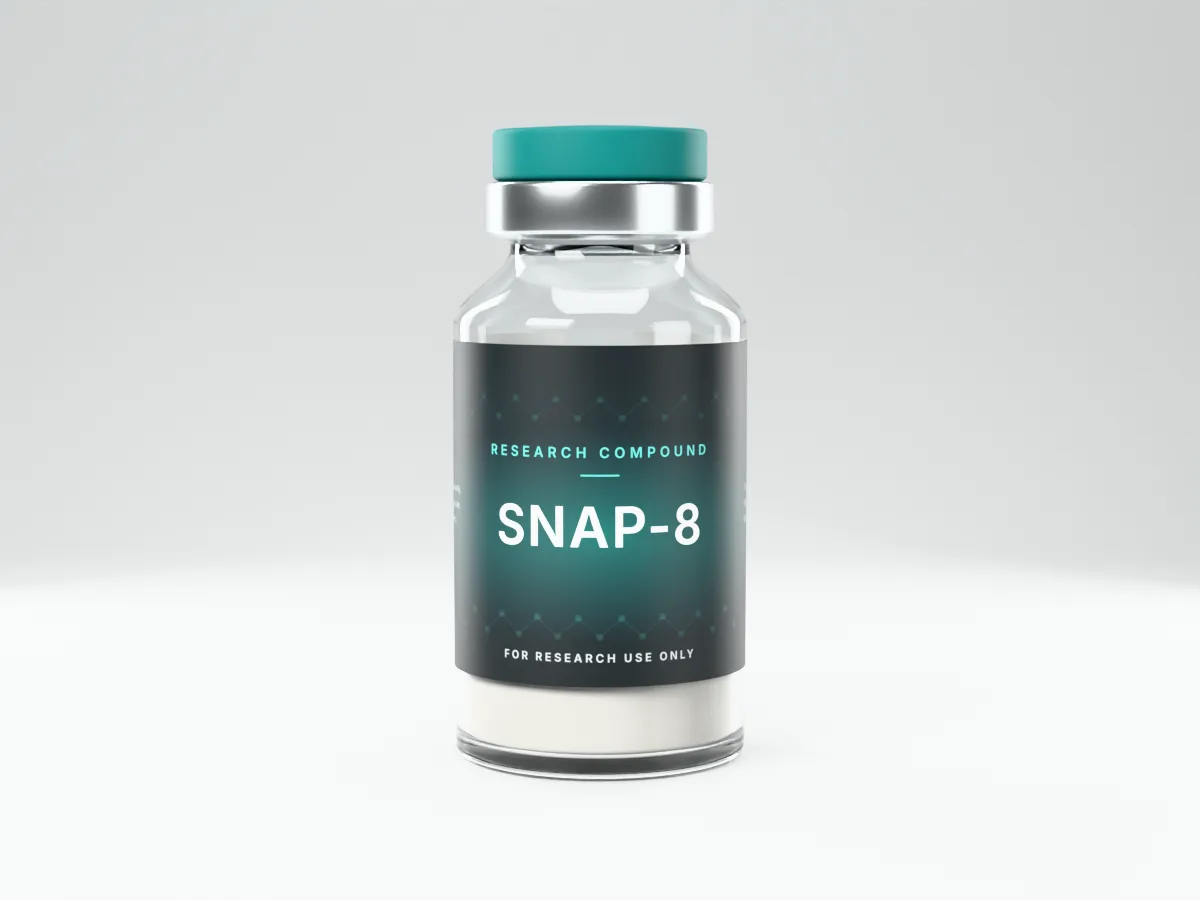
 10 vials
TB-500 (Thymosin Beta-4)
5 sizes available
Lab results for 12 of 29 sources
 10 vials
Tesamorelin / Ipamorelin Blend
6 sizes available
Lab results for 1 of 5 sources

Coming soon
Compounds no vendor on Peptuvia lists. Open one to request it, and we'll email you when a vendor does.
For Research Use Only. All products are sold as research chemicals for in-vitro laboratory study. Not for human consumption, medical, veterinary, or household use.